

Exhaust Tips and Their Role in Modern Vehicle Exhaust Systems
Exhaust tips are often the most visible part of a vehicle’s exhaust system, but their importance goes beyond appearance alone. Positioned at the final exit point of exhaust gases, exhaust tips influence how sound is projected, how heat is dispersed, and how the vehicle presents itself visually. While they do not directly control engine performance, exhaust tips contribute to the overall exhaust experience by shaping tone, reducing residue buildup, and protecting underlying components. Understanding exhaust tips helps vehicle owners choose options that align with their driving style, aesthetic goals, and long-term durability needs.
What Exhaust Tips Actually Do
Exhaust tips serve as the final outlet where exhaust gases exit the system. Their shape, length, and internal design can subtly affect sound direction and resonance. Some exhaust tips are purely cosmetic, while others include features such as resonated cores or double-wall construction to improve tone quality. By extending beyond the bumper, exhaust tips also help prevent heat and soot from damaging body panels. Learning about different Exhaust Tips clarifies why this small component still plays a meaningful role in the overall exhaust setup.
Common Exhaust Tip Shapes and Their Characteristics
Exhaust tips come in a wide range of shapes, each offering distinct visual and acoustic effects. Round tips are the most common and provide balanced sound projection. Oval tips are often used on performance vehicles to create a wider exhaust outlet appearance. Square and rectangular tips emphasize aggressive styling, commonly found on sports cars. Slash-cut tips angle the outlet to direct sound downward or outward. Each shape influences how exhaust noise disperses and how the rear of the vehicle looks, making shape selection an important consideration.
Single-Wall vs Double-Wall Exhaust Tips
Single-wall exhaust tips consist of one layer of metal and are lightweight and cost-effective. However, they can discolor more quickly due to heat exposure. Double-wall exhaust tips feature an inner and outer layer, which helps reduce heat transfer and maintain a cleaner appearance over time. The outer layer stays cooler, preserving polished finishes longer. While double-wall tips are more expensive, they offer improved durability and premium aesthetics, making them a popular choice for long-term use.
Resonated Exhaust Tips and Sound Control
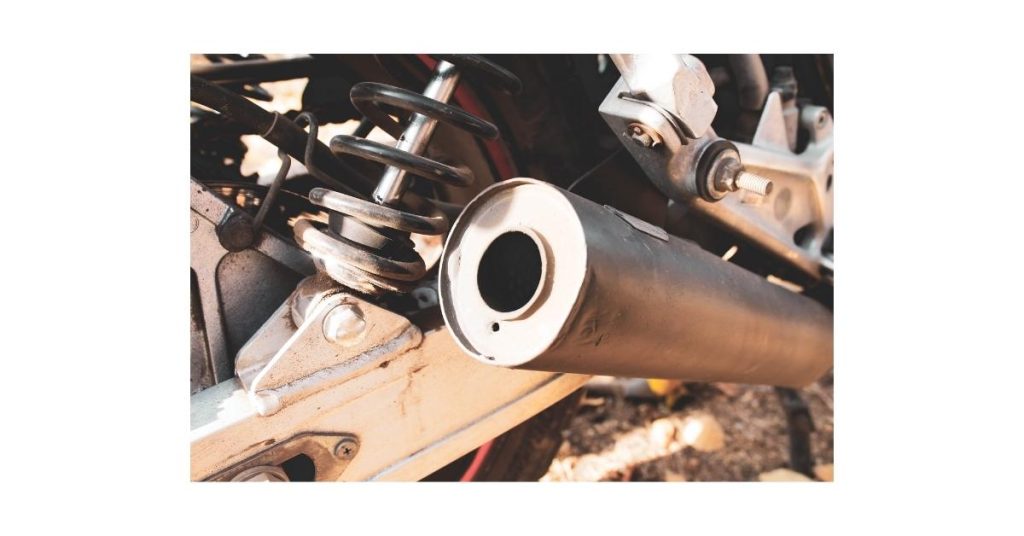
Resonated exhaust tips include an internal perforated core designed to refine exhaust sound. These tips reduce harsh tones and high-frequency noise without significantly lowering volume. Vehicles prone to rasp or drone can benefit from resonated tips as a final sound-tuning element. Although the effect is subtle compared to mufflers or resonators, resonated exhaust tips help smooth the exhaust note, especially on modified vehicles with freer-flowing systems.
Material Choices for Exhaust Tips
Material selection directly affects the lifespan and appearance of exhaust tips. Stainless steel is the most popular choice due to its corrosion resistance and ability to withstand high temperatures. Chrome-plated tips offer a bright finish but require more maintenance to prevent peeling or rust. Carbon fiber tips are lightweight and visually striking, often used on high-end or performance-focused vehicles. Titanium tips provide excellent heat resistance and weight savings but come at a premium cost.
Exhaust Tip Diameter and Outlet Size
The diameter of an exhaust tip influences both appearance and sound projection. Larger-diameter tips create a more aggressive look and can amplify exhaust tone slightly by allowing sound waves to exit more freely. Smaller tips offer a subtle appearance and restrained sound. It is important to match exhaust tip size with pipe diameter to avoid turbulence or poor fitment. Proper sizing ensures clean installation and consistent exhaust flow at the exit point.
Rolled Edge, Beveled, and Angle-Cut Designs
Exhaust tips are also categorized by edge design. Rolled-edge tips feature a smooth, rounded lip that enhances durability and aesthetics. Beveled-edge tips have a sharp, angled finish that creates a sporty look. Angle-cut tips are slanted to direct exhaust gases in a specific direction. These design variations allow drivers to fine-tune the visual personality of their vehicle without altering core exhaust components.
Exhaust Tips and Heat Management
Exhaust tips help manage heat at the rear of the vehicle by extending hot gases away from sensitive areas. Short or poorly positioned tips can cause bumper discoloration or melting over time. Longer tips reduce this risk by moving the exhaust outlet farther from body panels. Double-wall and insulated designs further limit heat transfer. Proper exhaust tip selection protects surrounding materials while maintaining safe exhaust discharge.
Aesthetic Impact on Vehicle Appearance
Exhaust tips significantly influence how a vehicle looks from the rear. A polished or carbon fiber tip can elevate the appearance of an otherwise stock vehicle. Dual exhaust tips often give the impression of higher performance, even if the system remains unchanged internally. Matching exhaust tips with the vehicle’s design language ensures a cohesive look rather than an aftermarket mismatch. Visual balance is a key factor in tip selection.
Installation Methods and Fitment
Exhaust tips are installed using clamp-on or weld-on methods. Clamp-on tips are easy to install and remove, making them suitable for temporary or cosmetic upgrades. Weld-on tips provide a permanent, secure fit and are preferred for performance or long-term applications. Proper alignment during installation is critical to prevent rattling, uneven spacing, or exhaust leaks. Professional installation ensures correct positioning and durability.
Maintenance and Cleaning Requirements
Exhaust tips are exposed to soot, moisture, and road debris, requiring regular cleaning to maintain appearance. Stainless steel tips benefit from periodic polishing to remove carbon buildup. Chrome tips need gentle cleaning to avoid surface damage. Neglecting maintenance can lead to discoloration and corrosion, reducing the lifespan of the tip. Simple upkeep preserves both aesthetics and material integrity.
Exhaust Tips and Legal Considerations
While exhaust tips themselves are rarely regulated, their design can influence noise output. Oversized or straight-cut tips may increase perceived loudness, potentially causing issues in areas with strict noise laws. Tips that extend excessively beyond the bumper may also violate vehicle regulations. Understanding local requirements helps ensure compliance while customizing exhaust appearance.
Choosing the Right Exhaust Tips for Your Vehicle
Selecting the right exhaust tips depends on vehicle type, exhaust configuration, and personal preference. Daily drivers often benefit from understated designs that resist corrosion and heat damage. Performance vehicles may prioritize aggressive styling and sound enhancement. Budget, maintenance expectations, and installation method should all factor into the decision. Exploring different Exhaust Tips allows owners to make informed choices that balance function and style.
Long-Term Value of Quality Exhaust Tips
High-quality exhaust tips enhance durability, protect surrounding components, and maintain a clean exhaust exit. While they may seem like a minor upgrade, well-chosen tips contribute to vehicle longevity and visual appeal. Investing in durable materials and proper installation ensures consistent performance and appearance over time. Exhaust tips represent the finishing touch of the exhaust system, combining form and function in a small but impactful component.